AI Boss Clones Are Becoming the New Workplace Advantage
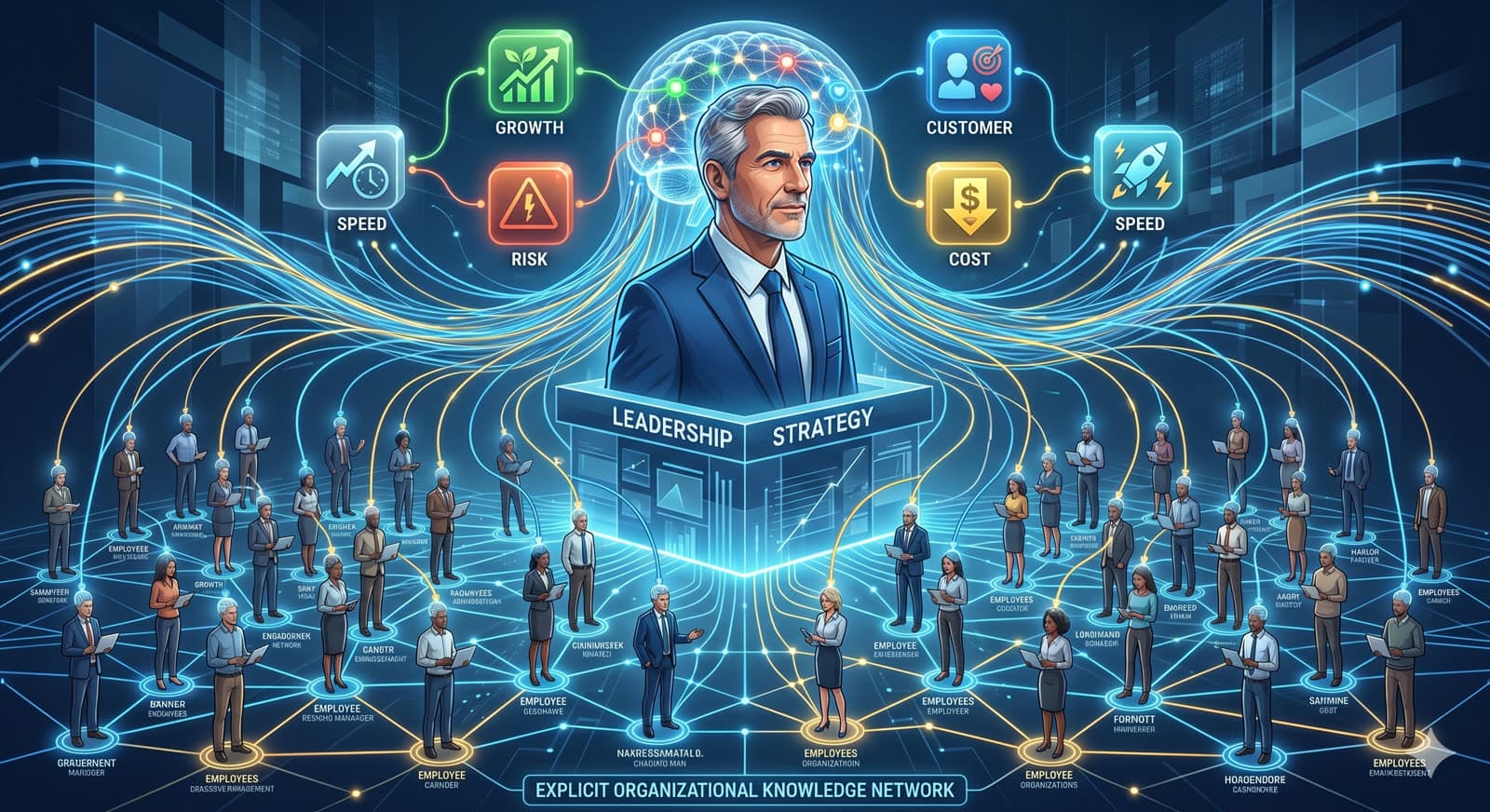
Lately, I've been noticing an interesting trend. People are starting to use AI to learn their managers' decision-making logic, communication styles, and priorities. Some are even using AI to simulate how their boss might evaluate a proposal before it is ever presented. And this is no longer just a personal productivity trick. Some companies have already launched official versions of what could be called an "AI boss clone." For example, Japan's KDDI developed an "AI Department Head" that allows employees to ask questions such as: "How would this proposal be evaluated by the department head?" Sumitomo Mitsui Financial Group has also introduced an "AI CEO" trained on executive discussions and leadership communications to help employees better understand how senior leaders think. At their core, all of these initiatives are trying to accomplish the same thing: Turn the unwritten rules that exist inside a leader's head into knowledge that can be shared across the organization.
Why Is This Valuable?
Many employees spend a surprising amount of time doing the same thing: Trying to figure out what their boss is thinking. The biggest value of an AI boss clone is not helping people please their manager. It's helping them understand decision-making logic faster. For example, it can help: - Summarize a leader's decision-making framework and priorities - Identify issues that are likely to trigger concerns or objections - Reveal whether a leader tends to prioritize growth, efficiency, or stability - Simulate the questions a manager might ask during a proposal review At first glance, it looks like you're training AI. In reality, you're training yourself. The best leaders and the best employees have always been skilled at understanding how other people think and make decisions. AI simply accelerates that learning process.
Where Does the Real Risk Lie?
The risk is not the technology. The risk is the objective. If the goal is to better understand your manager, AI can become a management accelerator. If the goal is simply to make your manager happy, AI can quickly become flattery automation. Over time, every proposal becomes more aligned with a leader's preferences rather than with reality.
This becomes especially problematic when dealing with leaders who value loyalty to a position over open debate. In those situations, the model may learn political alignment rather than sound judgment. There is also another risk that is often overlooked. Many people feed emails, meeting notes, and voice transcripts directly into public AI models. Doing so may violate company confidentiality requirements, data security policies, or regulatory obligations. In multinational corporations, financial institutions, and government-related projects, these risks often matter more than the technology itself.
Final Thought
I believe the most appropriate role for an AI boss clone is this: Help you predict how your boss might think, but never decide what you should think. Understanding your manager's logic is valuable. But organizations do not ultimately need a workforce that can perfectly imitate their leaders. They need people who can understand their leaders and still bring independent judgment to the table. The best form of managing up is not telling your boss what they want to hear. It's helping them make better decisions because you understand how they think. If everyone eventually has access to an AI boss clone, the truly scarce skill may no longer be the ability to predict your boss. It may be the ability to understand your boss deeply while still thinking for yourself.
Takeaways
AI simply accelerates that learning process.
Over time, every proposal becomes more aligned with a leader's preferences rather than with reality.
It may be the ability to understand your boss deeply while still thinking for yourself.
Was this useful?